There are a number of different types of home loans available to you, and it can pay to familiarize yourself with them. Luckily we're here to help you choose the best type of home loan for your needs.
Get Started
The most common type of loan option, the traditional fixed-rate mortgage includes monthly principal and interest payments which never change during the loan's lifetime.
Adjustable-rate mortgages include interest payments which shift during the loan's term, depending on current market conditions. Typically, these loans carry a fixed-i...
Interest only mortgages are home loans in which borrowers make monthly payments solely toward the interest accruing on the loan, rather than the principle, for a specif...
Graduated Payment Mortgages are loans in which mortgage payments increase annually for a predetermined period of time (e.g. five or ten years) and...

A conventional loan is a type of loan that is not insured by the government. Conventional loans offer more flexibility and fewer restrictions for borrowers, especially those borrowers with good credit and steady income.

FHA home loans are mortgages which are insured by the Federal Housing Administration (FHA), allowing borrowers to get low mortgage rates with a minimal down payment.

VA loans are mortgages guaranteed by the Department of Veteran Affairs. These loans offer military veterans exceptional benefits, including low interest rates and no ...

A jumbo loan is a mortgage used to finance properties that are too expensive for a conventional conforming loan. The maximum amount for a conforming loan is $766,550 in...

Designed for real estate investors, DSCR loans qualify borrowers based on a property's rental income rather than personal income. Ideal for investors looking to expand portfolios without traditional income documentation.
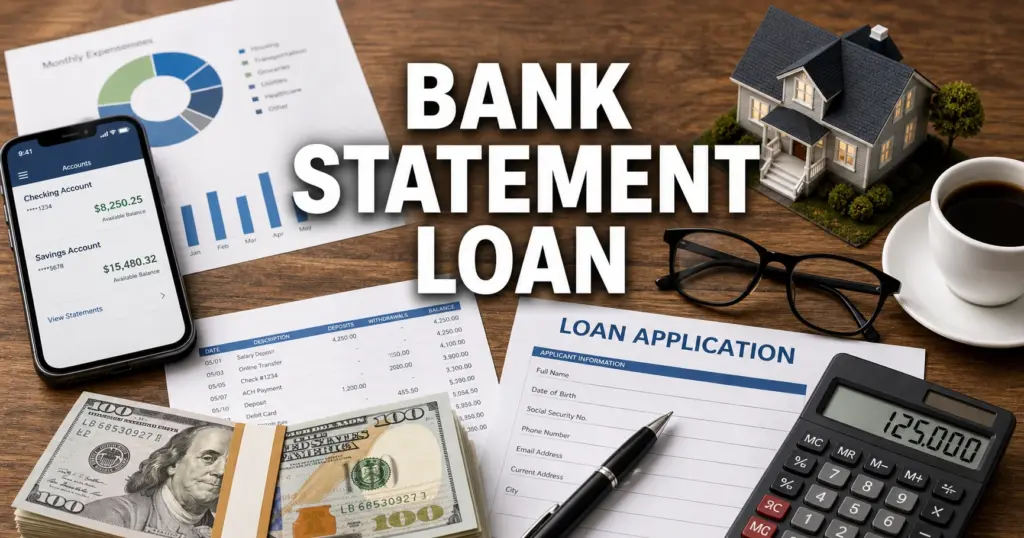
Allows self-employed borrowers to qualify using 12–24 months of personal or business bank statements instead of tax returns. This option is ideal for business owners whose tax write-offs reduce their reported income.
Enables homeowners aged 62 and older to convert a portion of their home equity into cash without making monthly mortgage payments. Repayment is typically deferred until the home is sold, refinanced, or no longer occupied as a primary residence.

A revolving line of credit secured by a home's equity, allowing homeowners to borrow funds as needed. It offers flexibility for expenses such as renovations, debt consolidation, or major purchases.
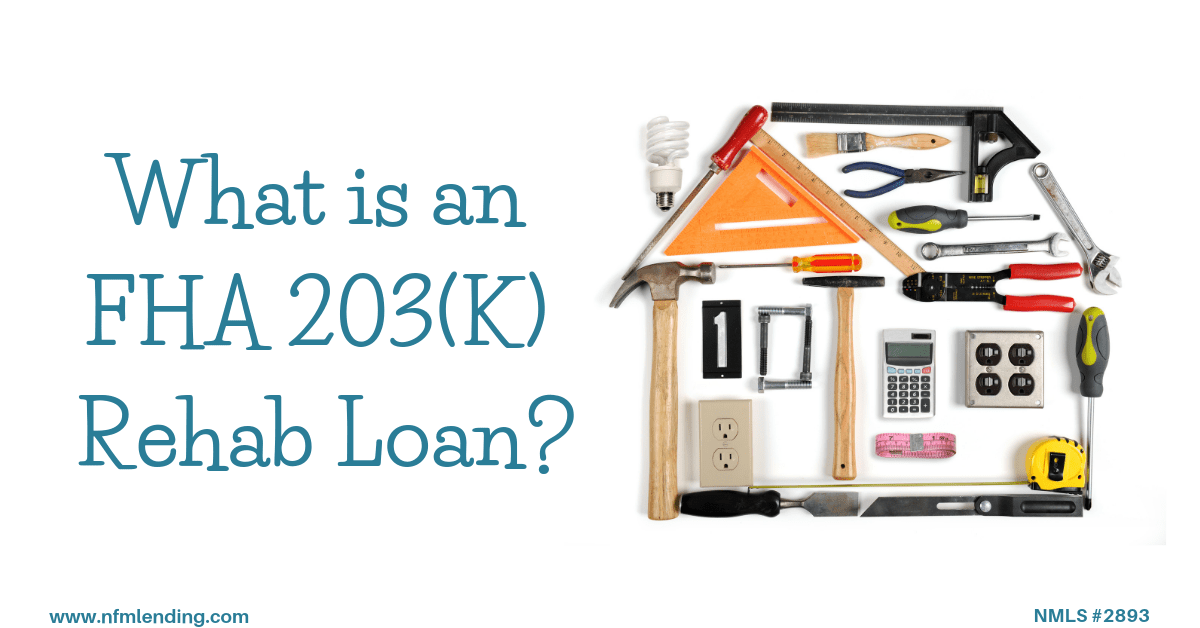
Combines the purchase or refinance of a home with renovation financing into a single mortgage. This government-backed program helps borrowers improve or repair properties with lower down payment requirements.

Designed for self-employed borrowers who can qualify using a CPA-prepared or lender-reviewed profit and loss statement instead of traditional tax returns. This option simplifies income verification for business owners.

Qualifies borrowers based on liquid assets such as savings, investments, or retirement accounts rather than employment income. It's an excellent solution for retirees, high-net-worth individuals, or borrowers with substantial reserves.
Allows homeowners to access equity through a refinance without waiting the traditional seasoning period after purchasing a property. This can provide quicker access to cash for investments, renovations, or other financial goals.
